
A Downtown Lancaster Sewer Replacement, Done by the Book
October 15, 2026
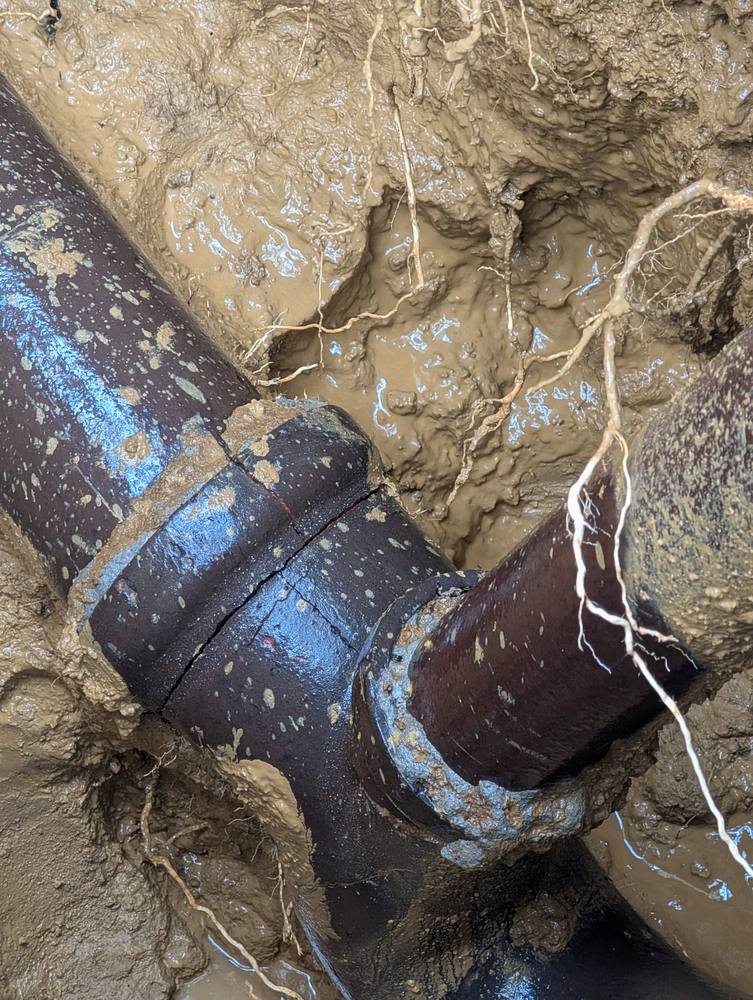
We got called out to a property in downtown Lancaster where the building’s sewer had failed under the sidewalk. The line was old clay pipe, and when we got eyes on it, the story was the usual one for a city this old: roots had found the joints and the cracks and moved right in, and the building’s original house trap was done. It was an emergency, with the property needing its drains back. But an emergency in the middle of a city sidewalk is exactly the kind of job where cutting a corner comes back to bite the owner, so we did it the way it’s supposed to be done.
Doing it right in the city means permits, and plenty of them
A sewer line replacement in a Lancaster City sidewalk isn’t a dig-it-up-and-go job. Before a shovel goes in the ground, it needs to be permitted and inspected, and on this one that meant pulling a city building permit for the sewer and house trap work, a separate curb and sidewalk permit for opening and restoring the walk, and a traffic control permit for working in the right-of-way. We handled all of it, got the owner’s signature where the city required it, and coordinated the temporary no-parking signage with the city so it was posted ahead of time and done correctly. It’s paperwork and phone calls and a few days of lead time, and it’s the part a lot of outfits skip. We don’t, because that permit and inspection trail is what protects the property owner down the road.
Hydro excavation to dig it out clean
Opening a city sidewalk means working right on top of whatever else is packed into the ground, and the last thing you want is a bucket through a gas line or a water main. So after the concrete came out, we brought in a hydro-excavation crew to do the digging. Hydro excavation uses pressurized water and a vacuum to break up the soil and pull it out, which exposes the old sewer without banging into the utilities around it. It’s the careful, non-destructive way to dig in a tight downtown spot, and not every shop runs it. You can see it in the photos: everything is washed down to clean pipe so we could see exactly what we were tying into.
Inspected, then restored, on schedule
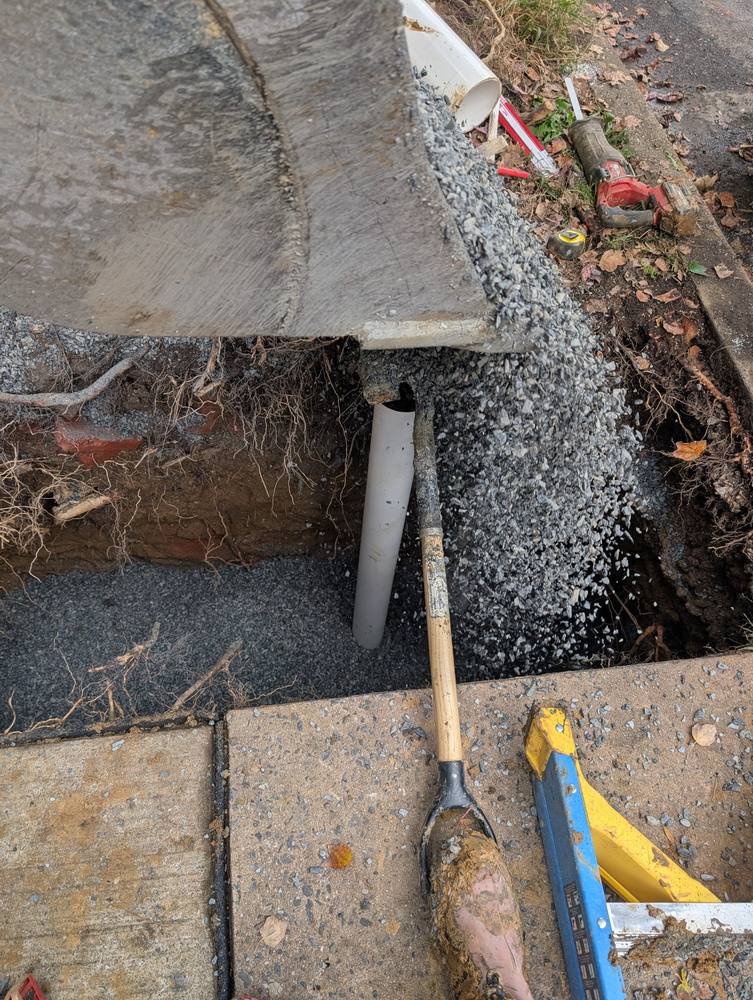
Once the old clay was out, we set new PVC from the building out to the connection and tied it in. Then the city plumbing inspector came out and signed off on the work before any concrete went back down. That order matters: the line gets inspected while it’s still open and anyone can see it, not buried on someone’s word. With the inspection passed, we backfilled and lined up the sidewalk restoration to the city’s spec, so the walk goes back the way the city requires, not just patched over. Start to finish, we kept the job moving on its schedule, inspection and all.
Why the permit trail matters to you
When sewer work gets done without permits and inspections, the property owner is the one left exposed. An unpermitted opening in a city sidewalk can mean fines, a stop-work order, or being told to dig it back up and do it again. Worse, a line that was never inspected is a line nobody can vouch for, so if it fails or a future buyer’s inspector or an insurer asks, there’s no record that it was done right. Doing it by the book costs a little more time up front and saves the owner all of that. You end up with a sewer that’s permitted, inspected, and on record as done correctly.
Common questions
Do I really need permits to replace a sewer line in the city? Yes. In Lancaster City, a building sewer replacement and any opening of the sidewalk or street have to be permitted and inspected, and the restoration has to meet the city’s spec. A contractor who tells you otherwise is putting the risk on you, because it’s the property owner who answers for unpermitted work. We pull the permits and schedule the inspections as part of the job.
What is hydro excavation, and why use it here? Hydro excavation uses high-pressure water and a vacuum to dig instead of a hard bucket or hand tools. In a tight city sidewalk packed with gas, water, and other utilities, it lets us expose the old sewer without striking anything, which is safer and cleaner than digging blind. It’s the right tool for working carefully around a building and a public right-of-way.
If you manage or own a property in Lancaster City with an old clay or cast iron sewer that’s backing up, root-bound, or already failed, that’s the kind of sewer and drain line work we do, and we do it fully permitted and inspected. We’ll pull what the city requires, dig it safely, and restore the walk the right way. We’ve been the plumbing shop in Lancaster County since 1961.
Call us at (717) 872-2850.