
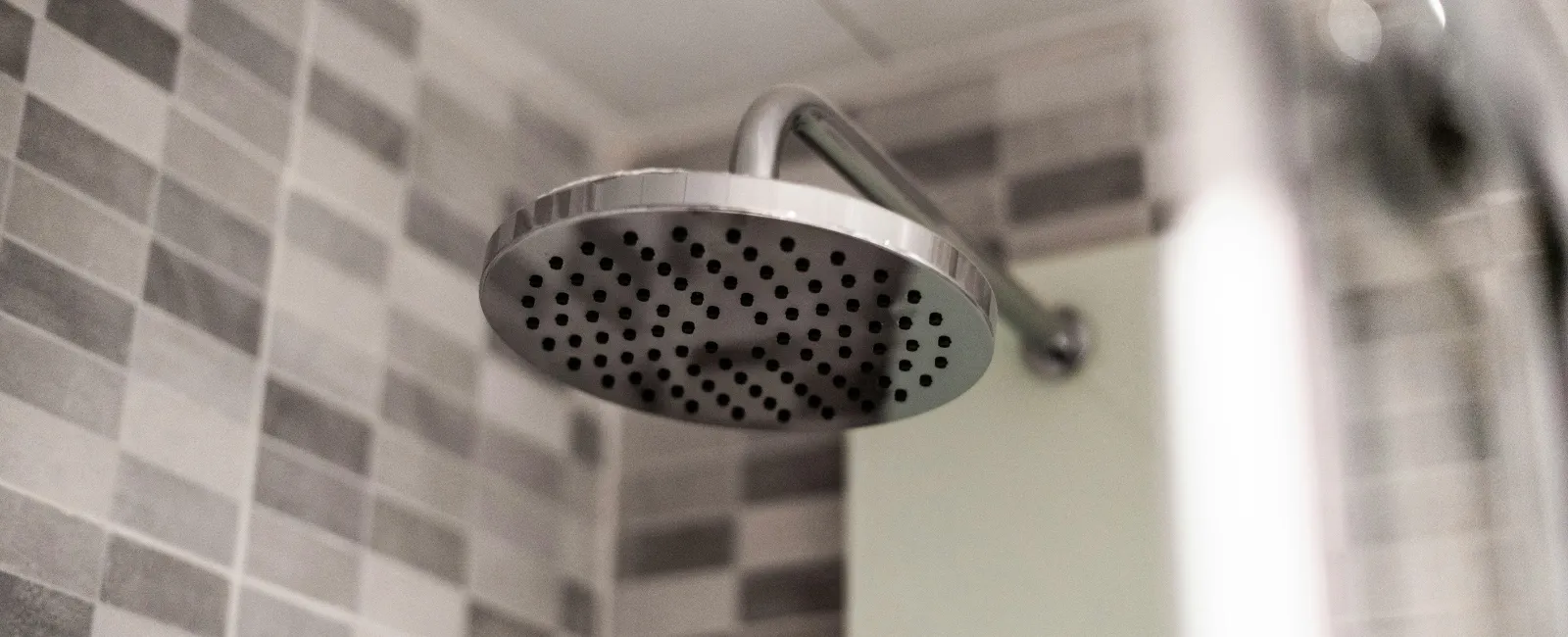
A worn rubber washer, mineral buildup inside the head, a failing shower valve cartridge, or a loose connection between the head and the shower arm are most often the cause of a leaky showerhead. The fix is usually straightforward and inexpensive, often taking less than an hour with basic tools. A dripping shower head wastes hundreds of gallons of water a year and can significantly raise your water bill, so addressing the leak quickly pays for itself.
Why Your Shower Head Is Leaking
Before you grab a wrench, it helps to understand what is actually going wrong. A shower head is the last stop in a chain of components, and any of them can be the source of the drip you are hearing. The water travels from your home's supply line through the shower valve in the wall, up the riser pipe, out the shower arm, and finally through the shower head. A leak at the head can originate at any point along that path.
The good news is that most showerhead leaks are caused by parts designed to wear out over time. Rubber seals harden, mineral deposits clog the small water passages, and internal components wear down with thousands of uses. None of these problems mean something is catastrophically wrong with your plumbing. They are normal maintenance items, and you can fix most of them yourself.
Common Causes of a Leaky Shower Head
Knowing which part of your shower is the actual source of the leak saves you a lot of time and unnecessary repairs. Here are the most common culprits, ordered roughly from easiest to hardest to fix.
Worn Rubber Washer or O-ring
Inside the connection between your showerhead and the shower arm sits a small rubber washer or O-ring. Its job is to create a watertight seal between the two metal parts. Over months and years, that rubber dries out, cracks, and loses the flexibility it needs to seal properly. Water starts seeping through the connection and drips from the threads where the head meets the arm.
This is the easiest fix on the list and the one to try first. A new washer costs almost nothing and takes about five minutes to install. If your leak is coming from the joint where the shower head screws onto the arm, this is almost certainly your problem.
Mineral Buildup Inside the Shower Head
If you live in an area with hard water, calcium and lime deposits slowly accumulate inside the shower head. As the buildup worsens, it blocks the small nozzles and forces water to take alternate paths, including dripping out long after you have turned the shower off. You might notice uneven spray patterns, weaker pressure, or water still trickling out 10 or 15 minutes after the handle is closed.
Soaking the showerhead in white vinegar dissolves most mineral deposits. This restores the original flow path and stops the post-shower drip.
A Failing Shower Valve Cartridge
The shower valve is the mechanism behind your shower handle that controls water flow and temperature. Inside that valve is a cartridge, which opens and closes when you turn the handle. Cartridges contain seals and moving parts that wear out over time, and when they fail, water continues to trickle through the valve even when the handle is fully shut. That water has nowhere to go except up the riser and out the showerhead.
If your showerhead drips constantly from the actual nozzles, even with the handle firmly closed, the cartridge is the most likely cause. Replacing a cartridge is more involved than a washer swap, but it is still a manageable job for many homeowners with the right replacement part and some patience.
A Loose or Damaged Shower Arm Connection
The shower arm is the curved pipe that extends from the wall and supports the showerhead. If the arm itself is loose, cross-threaded, or has damaged threads, water can leak from where it screws into the wall fitting or from where the head attaches to it. You might see water running down the wall behind or below the showerhead rather than just dripping from the head itself.
This one calls for more careful work because the threads inside the wall connection are easy to damage. Loose connections can often be tightened with thread seal tape, but stripped or corroded threads usually require professional repair.
How to Fix a Leaky Shower Head Step by Step
Once you have a sense of what is causing the leak, you can start working through the actual fix. Most repairs take less than an hour and require only basic tools.
Step 1: Turn Off the Water
For washer and cleaning fixes, you can usually skip this step since the water is already shut off at the shower handle. For any work involving the cartridge or valve, shut off the water supply to the bathroom or the whole house. The shut-off valves for individual bathrooms are not always present, so shut off the main water shutoff for your home.
Step 2: Inspect Where the Leak Is Coming From. Shut off the shower and look closely at the entire fixture. Note exactly where water is emerging. A drip from the threaded joint between the head and the arm points to the washer. A drip from the nozzles after the water is off points to either mineral buildup or a failing cartridge. Water running down the wall points to the shower arm connection.
Step 3: Unscrew the Shower Head
Most shower heads twist off counterclockwise by hand. If yours is stuck from years of mineral buildup, wrap the connection with a cloth to protect the finish and use an adjustable wrench. Apply steady pressure rather than sudden force, since hard yanking can damage the pipe inside the wall.
Step 4: Clean and Inspect Every Part
Once the head is off, look at the rubber washer or O-ring inside the connection. If it is cracked, flattened, or hardened, replace it. Examine the threads on both the head and the arm for damage or thread-sealant buildup, and clean them if needed.
If you suspect mineral buildup, drop the showerhead into a bowl of white vinegar for 30 to 60 minutes. For heavy buildup, leave it overnight. After soaking, use an old toothbrush to scrub the nozzles and rinse the head thoroughly with hot water.
Step 5: Reinstall With Thread Seal Tape
Wrap two or three turns of plumber's thread seal tape, sometimes called Teflon tape, around the male threads of the shower arm in a clockwise direction. Thread the showerhead back on by hand until snug, then give it about a quarter-turn with a wrench to seat the seal. Avoid overtightening, which can damage the threads or crack the head.
Step 6: Turn the Water Back On and Test
Run the shower for a few minutes and check for drips at every joint. Turn the water off and watch the nozzles for 10 to 15 minutes. If everything stays dry, the fix was successful. If water is still dripping from the nozzles, the cartridge is likely clogged, and the procedure is detailed in the next section.
Replacing a Shower Valve Cartridge
If the leak continues after cleaning and replacing the washer, the shower valve cartridge needs attention. This repair involves removing the shower handle and trim, pulling the old cartridge from the valve body, and inserting a matching new cartridge in its place.
The challenge is that cartridges are not universal. Each manufacturer designs its own models, and the replacement must match the make and model of your shower valve exactly. Bring your old cartridge to a plumbing supply store, or photograph the inside of the valve and the markings on the cartridge to identify the right replacement.
If your shower valve is older or you cannot identify the brand, calling a licensed plumber is often the most efficient route. A pro can identify the cartridge, source the right part, and complete the swap quickly without damaging the valve body, which is far more expensive to replace than the cartridge itself.
When to Call a Plumber
Most showerhead leaks fit into the DIY category, but some warning signs mean it is time to bring in a licensed plumber. Water leaking inside the wall behind the shower, a corroded or damaged shower valve, stripped or broken threads, multiple leaks occurring at the same time, or any leak that returns shortly after a repair all point to deeper problems that go beyond a simple showerhead fix.
You should also call a plumber if your shower is older than 20 to 30 years and the valve has never been serviced. Old valves often have multiple worn components, and replacing the entire fixture can be more cost-effective than pursuing individual repairs.
Tom Falk Plumbing and Heating has been keeping showers running properly for homeowners since 1961. Our licensed plumbers diagnose leaks at the source, replace failing components, and check the broader system to ensure a simple drip isn't masking a bigger problem.
Frequently Asked Questions
How much water does a leaky shower head waste?
A showerhead dripping at 10 drips per minute wastes about 500 gallons of water per year. A faster drip can waste several thousand gallons, which adds a noticeable cost to your water bill and, if you have a water heater feeding the line, to your energy bill as well.
Why does my showerhead leak only when the shower is running?
A leak that only appears during use almost always points to a loose or worn connection between the showerhead and the arm, or to mineral buildup forcing water out of alternate paths. Tighten the connection, replace the washer, and clean the head before suspecting anything more serious.
Can I use any thread seal tape?
Standard white plumber's thread seal tape works fine for showerhead connections. Higher density tapes are designed for gas lines and other applications and are not necessary here. Just make sure to wrap the threads in the same direction the head will be tightened, which is clockwise.
How long does a shower valve cartridge last?
A quality cartridge typically lasts 10 to 20 years, depending on water quality, frequency of use, and the valve brand. Areas with hard water tend to see shorter cartridge life because mineral deposits accelerate wear on the internal seals.
Should I replace the whole shower head or just the parts?
If your shower head is more than 10 years old and you are already taking it apart for repairs, replacing the whole unit is often the smart choice. Newer heads are more efficient, offer better spray patterns, and come with fresh seals throughout. If your existing head is newer or a higher-end model, repairing the worn parts makes more sense.
If your showerhead leak keeps coming back, or you want it handled right the first time without the trial-and-error, give Tom Falk Plumbing and Heating a call at 717-872-2850 or book service online. Our licensed team will identify the true source of the leak and fix it permanently.


