
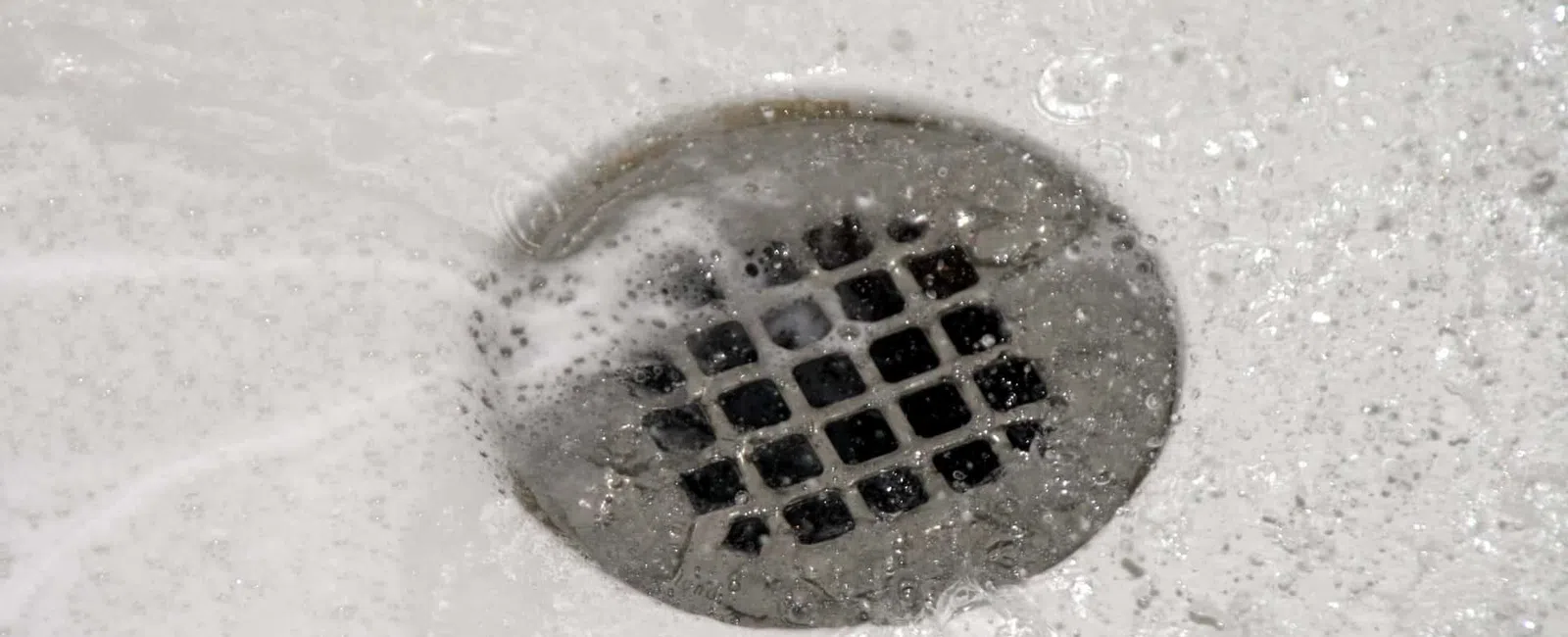
A smelly shower is usually caused by bacteria and biofilm coating the inside of the drain, a dried-out P-trap that lets sewer gas escape, a hidden clog that traps debris, or a leaking drain line somewhere behind the wall. The type of odor is the fastest clue to the source: a musty or mildewed smell points to buildup inside the drain, while a sulfur or rotten-egg smell points to sewer gas seeping into the bathroom. Most shower odors can be cleared in an afternoon with simple cleaning, though a smell that keeps returning usually means the problem sits deeper in the line and calls for a professional.
Walking into the bathroom and catching a foul whiff rising from the shower floor is unsettling, but it is one of the more common plumbing complaints homeowners run into. The good news is that the cause is almost always identifiable, and the fix is often something you can handle yourself. Below, we break down what causes the smell, how to match the odor to the problem, and when it is time to call a plumber.
Start by Identifying the Smell
Before you reach for any cleaner, take a moment to notice what the odor actually smells like. Different smells point to different problems, and getting this right saves you from chasing the wrong fix.
A damp, musty, or mildew-like smell almost always comes from organic buildup inside the drain or a layer of grime sitting in the P-trap. A sharp sulfurous, rotten-egg smell is a different story. That is hydrogen sulfide, the telltale sign of sewer gas, and it means a barrier somewhere in your plumbing has failed. If the smell is more of a stale, swampy odor that comes and goes, a dried-out trap is the likely culprit. Pinning down the scent first tells you where to start.
Biofilm and Bacteria Buildup
The single most common reason a shower drain smells is biofilm. Every time you shower, soap, shampoo, body oil, and dead skin cells wash down the drain and cling to the pipe walls. Over time, this combination forms a slick, sticky film that bacteria thrive in. As those bacteria break down the material, they release a musty, sour odor that drifts up from the drain even when the shower floor looks perfectly clean.
You may also notice a pinkish or orange tint around the drain or along the grout. That discoloration is caused by a bacterium called Serratia marcescens, often mistaken for mold. It is harmless to most healthy people but unpleasant, and it signals that biofilm has taken hold.
Clearing it is straightforward. Remove the drain cover and scrub the visible opening with an old toothbrush or a bottle brush dipped in a disinfecting cleaner. For the pipe itself, pour a pot of boiling water down the drain to loosen the film, follow with a half cup of baking soda and a cup of white vinegar, and let the fizzing reaction sit for thirty minutes before flushing with hot water. Repeating this once a month prevents the buildup from returning. For more information, see How To Clean A Drain That Stinks.
A Dry or Dirty P-Trap
Beneath your shower sits a curved section of pipe called the P-trap, and it is designed to hold a small amount of water at all times. That water forms a seal that blocks sewer gas from rising into your home. When the trap works, you never think about it. When it fails, you smell it.
In a shower that does not get used often, such as one in a guest bathroom, the water in the trap can evaporate. Once that seal is gone, sewer gas flows straight up the drain, which is why an unused shower often smells like a sewer. The fix is as easy as running the water for a minute or two to refill the trap. Pouring a few tablespoons of cooking oil down afterward slows future evaporation by forming a layer on the water's surface.
If the shower is used regularly and still smells, the trap may be holding water but be coated in grime, or there may be a deeper venting problem that is pulling the seal out. A blocked or broken vent stack can create suction that siphons the trap dry every time water drains, and that is a job for a professional to diagnose.
A Hidden Clog Trapping Debris
A partial clog does more than slow your drainage. Hair, soap scum, and mineral deposits knit together into a mass inside the pipe, which traps standing water and decaying organic matter that turns rancid. If your shower is draining slowly and smells bad, a clog is very likely the cause.
For a shallow blockage, pulling the buildup out by hand or with a plastic drain tool often does the trick. A drain snake reaches farther and hooks deeper clogs, though it should be used carefully to avoid scratching the pipe. We generally steer homeowners away from chemical drain cleaners, since the caustic ingredients corrode pipes and seals over time and rarely solve the underlying problem. When a clog is too far down to reach, a plumber can clear the entire length of the line using professional drain-cleaning equipment.
Leaking Pipes Behind the Wall
When the easy fixes do not work, and the smell is unmistakably sewage, the problem may be a leak in the drain line itself. A cracked pipe or a loose fitting behind the shower wall or beneath the floor lets sewer gas escape directly into the surrounding structure, where it seeps into the bathroom. A persistent, rotten-egg odor that no amount of cleaning resolves is the classic warning sign.
Leaks like this are not a do-it-yourself repair. Corrosion in older metal pipes, a poorly sealed joint in newer construction, or damage from a previous clog can all be to blame, and reaching the pipe usually means opening a wall or accessing it from below. A licensed plumber can precisely locate the leak and repair or replace the affected section before moisture leads to mold or structural damage. Learn more about Leak Detection & Pipe Repair.
When to Call a Professional
Most shower odors respond to cleaning and a refilled trap. Some do not. Call a plumber when the smell is sewage-like and returns after cleaning, when multiple drains in the home gurgle or smell at once, when the shower drains slowly despite your efforts, or when you suspect a leak behind the wall. These point to issues in the trap venting, the main line, or the drain piping that need proper tools to diagnose. In most cases, a plumber can identify the source and resolve it in a single visit.
Frequently Asked Questions
Why does my shower drain smell like rotten eggs?
A rotten egg smell is hydrogen sulfide gas, which means sewer gas is entering through the drain. The usual cause is a dried-out P-trap that has lost its water seal, though a leaking drain line or a blocked vent can produce the same odor. Running water to refill the trap resolves it in most cases, and anything more stubborn warrants a plumber.
Why does my shower smell musty even after I clean it?
If a musty smell returns quickly, biofilm has likely built up deeper in the pipe than surface cleaning can reach. A monthly boiling water and baking soda treatment helps, but persistent odor often means buildup throughout the line that a professional drain cleaning can fully remove.
Is a smelly shower drain dangerous?
A brief whiff is unlikely to harm you, but prolonged exposure to sewer gas can cause headaches and nausea, and the bacteria in biofilm can pose a risk to anyone with a weakened immune system. Alarming sewage smell should always be addressed promptly.
How do I keep my shower drain from smelling?
Flush the drain with hot water weekly, treat it monthly with baking soda and vinegar, and pour water down any shower you rarely use to keep the trap seal intact. These habits prevent the buildup and evaporation behind most shower odors.
Clear the Air With Tom Falk Plumbing and Heating
If you have cleaned the drain, refilled the trap, and the smell still will not go away, the problem is deeper in your plumbing and warrants a professional look. Tom Falk Plumbing and Heating has been keeping homes comfortable and running smoothly since 1961, and our licensed plumbers can track down the source of a stubborn shower odor and fix it for good. Call us at 717-872-2850 or schedule service at tomfalkph.com/schedule-service.


