
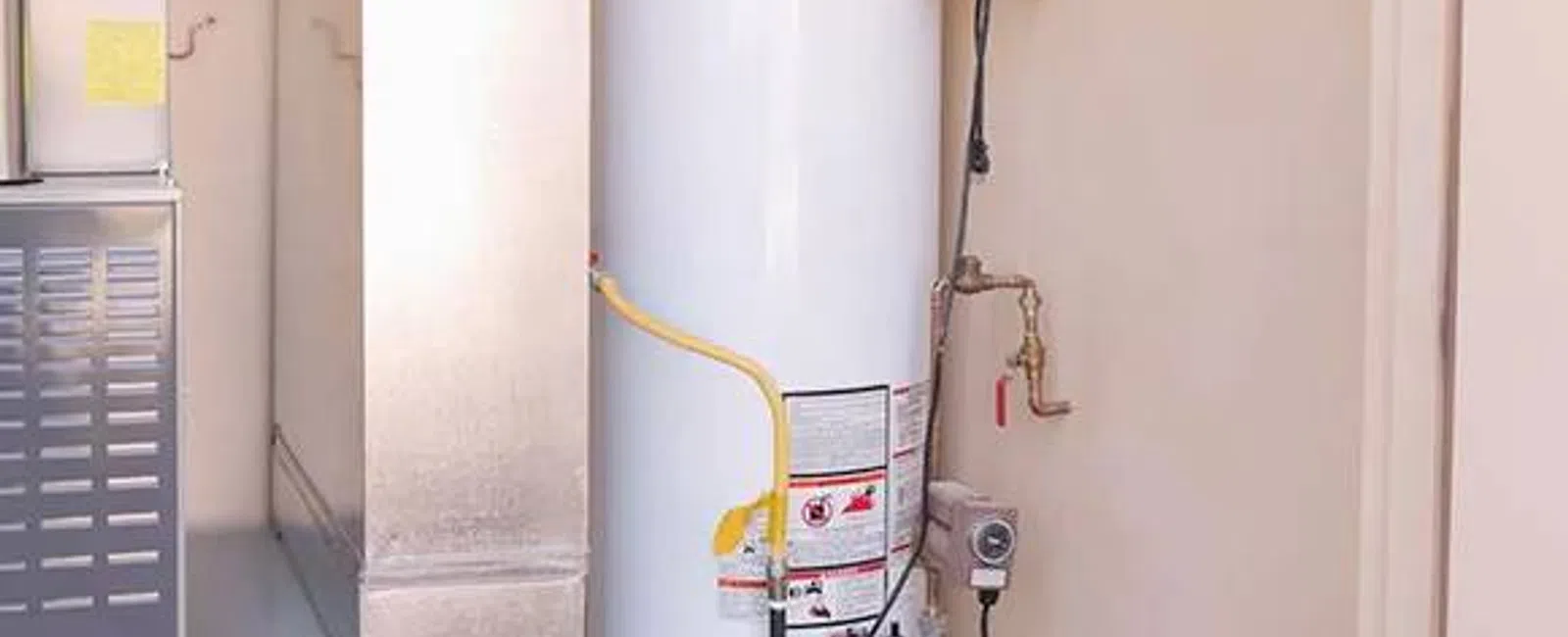
A tank water heater typically lasts 8 to 12 years, while a tankless water heater can last 15 to 20 years or more with proper maintenance. Lifespan depends heavily on water quality, usage volume, installation quality, and the frequency of service. Most homeowners get the longest life out of their water heater by flushing it annually, replacing the anode rod when needed, and addressing small issues before they turn into full failures. Replacing a water heater proactively, before it leaks or fails, prevents water damage and gives you time to choose the right replacement without rushing the decision.
Average Water Heater Lifespan by Type
Not all water heaters age the same way. The technology inside the unit, the materials it is built from, and how it interacts with your home's water supply all affect how many years you can reasonably expect from it.
Traditional Tank Water Heaters
A conventional storage tank water heater, whether gas or electric, has an expected lifespan of 8 to 12 years. The tank itself is the limiting factor. Inside every tank is a glass or porcelain lining designed to protect the steel walls from constant exposure to water. Over time, that lining develops microscopic cracks, and once water reaches the metal beneath, corrosion begins. Once corrosion sets in, the countdown to a leak starts, and no repair can reliably extend the tank's life from that point.
Hard water significantly shortens the lifespan of tank water heaters. Minerals dissolved in the water settle to the bottom of the tank as sediment, which insulates the burner from the water, forces the unit to work harder, and accelerates wear on every internal component. Homes with very hard water sometimes see tank failures in as little as 6 or 7 years, while homes with softened water often see 12 to 15 years from the same unit.
Tankless Water Heaters
Tankless or on-demand water heaters typically last 15 to 20 years, and well-maintained units can run for 25 years or more. The longer lifespan is due to the absence of a stored-water tank. There is no glass lining to fail and no constant pool of water sitting against a metal wall. Instead, water flows through a heat exchanger only when hot water is in use, which dramatically reduces cumulative wear.
Tankless units require periodic maintenance, including descaling the heat exchanger to remove mineral buildup. Skipping this maintenance can cut years off the unit's life and reduce its heating efficiency, long before it physically fails.
Hybrid and Heat Pump Water Heaters
Hybrid or heat pump water heaters generally last 10 to 15 years. They use a tank like a conventional water heater but pull heat from the surrounding air rather than generating it directly, so they have additional mechanical components that can wear out. The tank itself still ages the same way a standard electric water heater tank does, with the same vulnerability to sediment buildup and corrosion.
What Affects How Long a Water Heater Lasts
Two identical water heaters installed in two different homes can have wildly different lifespans. Knowing what shortens or extends a unit's working life helps you maximize your investment and plan replacements before they become emergencies.
Water Quality
Hard water is the single biggest factor working against your water heater. Calcium, magnesium, and other dissolved minerals settle out of the water and collect inside the tank or coat the heat exchanger in a tankless unit. The buildup insulates the heat source, reduces efficiency, and creates the perfect environment for corrosion to develop. Homes with water softeners or whole-home filtration consistently see longer water heater lifespans.
Usage Volume
A family of six puts much more demand on a water heater than a couple in the same house. Higher daily usage means more heating cycles, more wear on the burner or heating element, and more frequent recovery loads on the system. Heavy use does not necessarily cut years off a properly sized water heater, but undersized units forced to keep up with demand wear out noticeably faster.
Quality of Installation
Improper installation shortens water heater life in ways that are easy to overlook. An unlevel unit can stress connections. An undersized expansion tank, or no expansion tank at all in a closed water system, causes pressure fluctuations that fatigue the tank walls. Poor venting on gas units leads to condensation and corrosion. Skipped maintenance on the anode rod allows the rod to dissolve completely, exposing the tank to direct corrosion.
Maintenance Habits
A water heater that is flushed annually and has its anode rod inspected every couple of years can easily exceed its expected lifespan. A water heater that has never been serviced since installation often fails years earlier than expected. Annual flushing alone makes a measurable difference because it removes the sediment that causes most long-term damage.
How to Find Out How Old Your Water Heater Is
If you have lived in your home for many years, you probably know roughly when your water heater was installed. If you bought the home with an existing unit in place, finding the age requires a small bit of detective work.
The rating plate on the side of the water heater includes the model number and serial number. The serial number is the key. Most manufacturers encode the production date into the first few characters of the serial number, but the codes vary by brand. A common pattern uses a letter for the month, followed by digits for the year. For example, a serial number starting with "G18" might mean July 2018 under one brand's code, while another brand might encode the year first.
Look up your brand's specific date code by searching for the manufacturer name and "serial number date code." Once you know when the unit was made, add a year or so for typical installation timing, and you have a reasonable estimate of how long it has been in service.
Signs Your Water Heater Is Nearing the End of Its Life
Age alone is not the only indicator. A water heater can show its age through performance, sound, and physical signs well before the rating plate suggests it should fail.
Rumbling, popping, or banging sounds during heating cycles usually mean sediment has built up in the tank and the burner is overworking. Rusty or discolored hot water suggests internal corrosion. Water pooling around the base, even small amounts, points to a developing tank leak that will only get worse. Running out of hot water faster than you used to, or never quite getting water as hot as the thermostat is set, indicates a loss of efficiency due to sediment or failing components. Visible rust on the tank exterior, especially near the top connections or the base, signals that corrosion is well underway.
Any of these signs in a water heater approaching or past its expected lifespan is a strong indicator that replacement is on the horizon. Multiple signs at once usually mean replacement should happen sooner rather than later.
When to Repair Versus Replace a Water Heater
Choosing between repair and replacement comes down to age, repair cost, and the type of problem. As a general guideline, a water heater that is less than half of its expected lifespan, has a single repairable issue, and shows no other warning signs is usually worth repairing. A unit that is past its expected lifespan, has multiple symptoms at once, or has any sign of tank leakage should be replaced.
Component failures like a bad thermostat, a failed heating element, or a worn thermocouple are typically inexpensive repairs and worth doing on a unit that still has years of life left. Tank failures, on the other hand, are not repairable. Once the tank itself starts leaking, the unit is at the end of its useful life and needs to be replaced before a small leak turns into a flood.
The hidden cost of waiting too long is the risk of catastrophic failure. A water heater that fails suddenly often releases all 40 to 80 gallons of water at once, flooding basements and damaging anything stored nearby. Proactive replacement at the right time prevents that scenario entirely and gives you the freedom to schedule the work on your timeline rather than as an emergency.
Extending Your Water Heater's Life
A few maintenance habits can add years to your water heater. Flush the tank annually by attaching a hose to the drain valve and draining several gallons until the water runs clear. This removes sediment before it can cause real damage. Inspect the anode rod every 2 to 3 years and replace it if it is heavily corroded or worn. The anode rod is a sacrificial component designed to corrode in place of the tank itself, and replacing it before it fully dissolves protects the tank from the next round of corrosion.
If you have hard water, consider installing a water softener. The cost is offset by longer water heater life and lower energy bills, since the unit no longer has to fight through sediment to heat the water. Test the temperature and pressure relief valve once a year by briefly lifting the lever, allowing water to discharge, then releasing it. A valve that does not seat properly or one that constantly drips should be replaced.
Tom Falk Plumbing and Heating has been installing, servicing, and replacing water heaters for homeowners since 1961. Our licensed plumbers can assess your current unit's condition, recommend whether repair or replacement is the right call, and help you choose a replacement sized correctly for your household and water conditions.
Frequently Asked Questions
How do I know if my water heater needs to be replaced?
The clearest signs are age beyond the expected lifespan, water pooling around the base, rusty hot water, repeated repair issues, and a noticeable drop in hot water capacity. Any one of these on an older unit, or several on a younger one, points to replacement.
Is a 15-year-old water heater safe?
A 15-year-old standard tank water heater is well past its expected lifespan and should be evaluated for replacement, especially if it shows any warning signs. Even units that still appear to work normally at that age are at significantly higher risk of sudden failure.
Should I replace my water heater before it fails?
Yes, in most cases proactive replacement is the smarter choice. Replacing a unit at the end of its expected lifespan, before any leak or major failure, prevents water damage, gives you time to choose the right replacement, and avoids the higher cost of emergency installation.
Can a water heater last 20 years?
Tank water heaters rarely last 20 years, but a well-maintained tankless unit can routinely exceed that mark. The main factors are water quality, regular maintenance, and the quality of the original installation.
Does flushing a water heater really help?
Yes, annual flushing makes a measurable difference. Sediment buildup is the leading cause of tank water heater failure, and flushing removes that sediment before it can insulate the burner, accelerate corrosion, or damage the tank lining.
Wondering whether to repair or replace your aging water heater? Tom Falk Plumbing and Heating can help you make the right call. Call us at 717-872-2850 or book service online. Our licensed team will inspect your unit, give you an honest assessment, and walk you through your options.


