
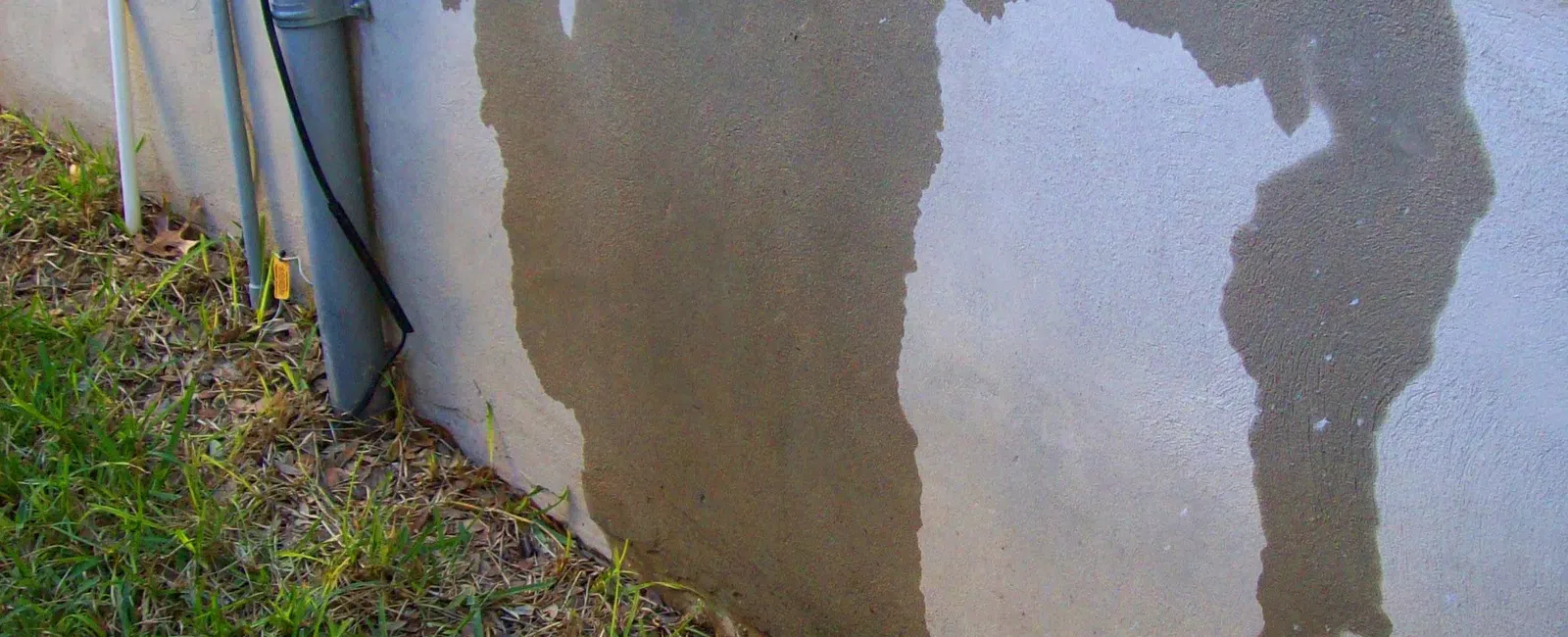
A slab leak is a leak in the water pipes that run beneath the concrete foundation of your home, and the most common signs are an unexplained spike in your water bill, the sound of running water when every faucet is off, warm spots on the floor, and unexpected moisture or cracks in the foundation. Caught early, a slab leak is usually a straightforward repair. Left alone, it can erode the soil beneath your foundation, fuel mold growth, and become one of the most expensive problems a homeowner can face. The key is knowing what to watch for and acting before the damage spreads.
What Is a Slab Leak?
A slab leak happens when a water line buried in or beneath your home's concrete slab springs a leak. These pipes carry either fresh water under pressure or wastewater out of the home, and both types can fail. Because the leak sits out of sight under several inches of concrete, you rarely see the water itself. Instead, you notice the symptoms it creates as water works its way up through the slab or out into the surrounding soil.
That hidden nature is exactly what makes slab leaks tricky. A dripping faucet announces itself. A slab leak can go unnoticed for weeks or months, causing damage the whole time until the warning signs finally surface.
What Causes a Slab Leak?
Several things put stress on the pipes under your foundation. The natural settling and shifting of a house over time is one of the biggest culprits. As soil expands and contracts with changes in moisture and temperature, the ground beneath your home moves slightly, and that constant pressure can crack or wear through a pipe.
Water chemistry plays a role, too. Hard water, which carries a heavy load of dissolved minerals, gradually corrodes pipe walls from the inside until a weak spot gives way. High water pressure adds strain with every passing day, and abrasion is another quiet offender, since a pipe rubbing against gravel, concrete, or another pipe will eventually wear a hole through itself. Finally, poor installation or low-quality materials leave pipes vulnerable from the start, which is why artistry matters so much for anything buried in a slab.
Common Signs of a Slab Leak
Most slab leaks reveal themselves through a handful of telltale clues. Knowing these signs of a slab leak helps you catch the problem while it is still small.
A Sudden Jump in Your Water Bill
One of the earliest indicators is a water bill that climbs for no clear reason. If your household habits have not changed, but your usage has spiked, water is escaping somewhere you cannot see. A slow, steady increase often indicates a small leak that is gradually worsening, while a sharp jump can signal a larger break. Before blaming the slab, rule out running toilets and dripping faucets; if everything else checks out, a hidden leak is the likely suspect.
Running Water You Can Hear but Not See
When every tap, appliance, and fixture is shut off, and you still hear water moving, pay attention. A faint hiss or rushing sound coming from the floor or walls often indicates that water is escaping from a pressurized line beneath the slab. A simple test helps confirm it. Turn off all water in the home and watch your water meter. If it keeps moving, water is leaking somewhere in the system.
Warm Spots on the Floor
A leak in a hot water line under the slab can warm the floor directly above it. If you notice an unexplained warm patch underfoot, especially along the path between your water heater and a bathroom or kitchen, a hot water slab leak may be the cause. These spots are easy to feel with your bare feet and even easier to confirm with an infrared thermometer.
Moisture, Pooling Water, and Damp Flooring
Water from a slab leak has to go somewhere, and sometimes it seeps up into your living space. Damp carpet with no spill to explain it, warped wood flooring, or water pooling around the base of your foundation all point toward trouble below. Persistent moisture also increases indoor humidity, setting the stage for the next sign.
Musty Odors, Mold, and Mildew
A damp, earthy smell that lingers in a room is a red flag. The moisture from a slab leak creates ideal conditions for mold and mildew, and that growth often produces an odor before you ever see a stain. Mold is not just a cosmetic issue. It can affect indoor air quality and the health of everyone in the home, so a musty smell paired with any other symptom on this list deserves a closer look.
Low Water Pressure
When water leaks out of a line before it reaches your fixtures, the pressure at your faucets and showerheads drops. A gradual, whole-home pressure decline, especially alongside other warning signs, can indicate a leak draining the system. It is worth ruling out clogged aerators and municipal supply issues first, but unexplained pressure loss across the house warrants attention.
Foundation Cracks and Movement
In advanced cases, water seeping beneath the slab erodes the soil supporting your foundation. That leads to uneven settling, cracks in floors and walls, and doors or windows that suddenly stick or no longer close properly. Foundation movement is one of the most serious and costly outcomes of an untreated slab leak, which is exactly why early detection matters so much.
Why You Should Never Ignore a Slab Leak
Slab leaks do not heal themselves. They only get worse, and the longer one runs, the more it costs to fix. A small repair caught early can turn into major foundation work, mold remediation, and flooring replacement if the leak is left unchecked. Beyond the structural risk, you are paying for every gallon of water that escapes, month after month. The math always favors acting sooner rather than later.
What to Do If You Suspect a Slab Leak
If the signs point to a slab leak, a few steps can help protect your home while you get help. First, confirm your suspicion with the water meter test described above. If the meter moves with all the water off, you're leaking. Next, consider shutting off the main water supply to stop further damage until the problem is diagnosed.
From there, the smart move is to call a licensed plumber. Slab leak detection is specialized work that relies on equipment like acoustic listening devices and thermal imaging to pinpoint the exact location without tearing up your entire floor. A professional can confirm the leak, pinpoint it, and walk you through repair options, whether that means accessing the pipe directly, rerouting the line, or relining it. This is not a do-it-yourself job, because guessing wrong means breaking through concrete in the wrong place.
Tom Falk Plumbing and Heating has been solving tough plumbing problems for homeowners since 1961. Our licensed master and journeyman plumbers accurately pinpoint hidden leaks, fix them right the first time, and treat your home with the same care we would give our own.
How to Help Prevent Slab Leaks
You cannot control everything that happens beneath your foundation, but you can lower your risk. Keep your water pressure within a safe range, since chronically high pressure strains every pipe in the house. If you have hard water, a water softener slows the corrosion that eats away at pipe walls over time. Most importantly, schedule routine plumbing inspections so a professional can catch early warning signs before they become emergencies. A little maintenance goes a long way toward protecting the pipes you never see.
Frequently Asked Questions
How much does it cost to fix a slab leak?
Cost depends on the location of the leak, how it is accessed, and the repair method used. A simple, accessible repair sits at the lower end, while leaks that require rerouting a line or breaking through concrete cost more. A licensed plumber can give you an accurate estimate after locating the leak.
Can a slab leak cause my floor to crack?
Yes. Water escaping beneath the slab can erode the soil supporting your foundation, leading to uneven settling that cracks flooring and walls. This is one of the reasons a slab leak should never be left unaddressed.
Will homeowners' insurance cover a slab leak?
It varies by policy. Many policies help cover the cost of accessing and repairing the damage caused by a slab leak, even if they do not cover the pipe itself. Contact your insurer early to understand your specific coverage.
How long can a slab leak go undetected?
A slab leak can run for weeks or even months before the signs become obvious, which is why the damage is often significant by the time it is found. Watching for early clues, such as a rising water bill or low water pressure, helps you catch it sooner.
Is a slab leak an emergency?
It can be. While a slow leak may not flood your home overnight, the ongoing damage to your foundation and the risk of mold make it a problem worth addressing right away.
If you notice any signs of a slab leak in your home, do not wait for the damage to spread. Call Tom Falk Plumbing and Heating at 717-872-2850 or book service online. Our licensed team will locate the leak, clearly explain your options, and fix it right the first time.


