
Your plumbing still works when the power goes out, but only partially. Homes connected to a municipal water supply will keep running water for a short time because the city's system relies on gravity-fed towers and grid-powered pumping stations that remain pressurized during brief outages. However, hot water, well pumps, sump pumps, tankless heaters, and sewage ejector pumps all stop working the moment electricity cuts off, and extended outages can lead to frozen pipes, basement flooding, and contaminated water if precautions aren't taken quickly.
How a Power Outage Affects Your Home's Plumbing
Most homeowners assume plumbing runs entirely on water pressure, not electricity. The truth is more complicated. A modern plumbing system relies on a surprising number of electric components, and when the grid fails, each one behaves differently.
If you're on city water, the immediate answer is yes, your faucets will still run. Municipal water systems use a combination of pressurized storage tanks, elevated water towers, and pumping stations. These networks are built with enough stored pressure to maintain service through short outages. You can usually flush toilets, wash hands, and fill pots for drinking or cooking in the first several hours without noticing any disruption.
If you're on well water, the answer is very different. A private well relies on an electric pump to draw water from the ground and into your home's pressure tank. The moment the power goes out, that pump stops. You'll typically get a few more uses from the water already stored in the pressure tank, but once that's gone, every fixture in the house goes dry.
What Still Works During a Power Outage
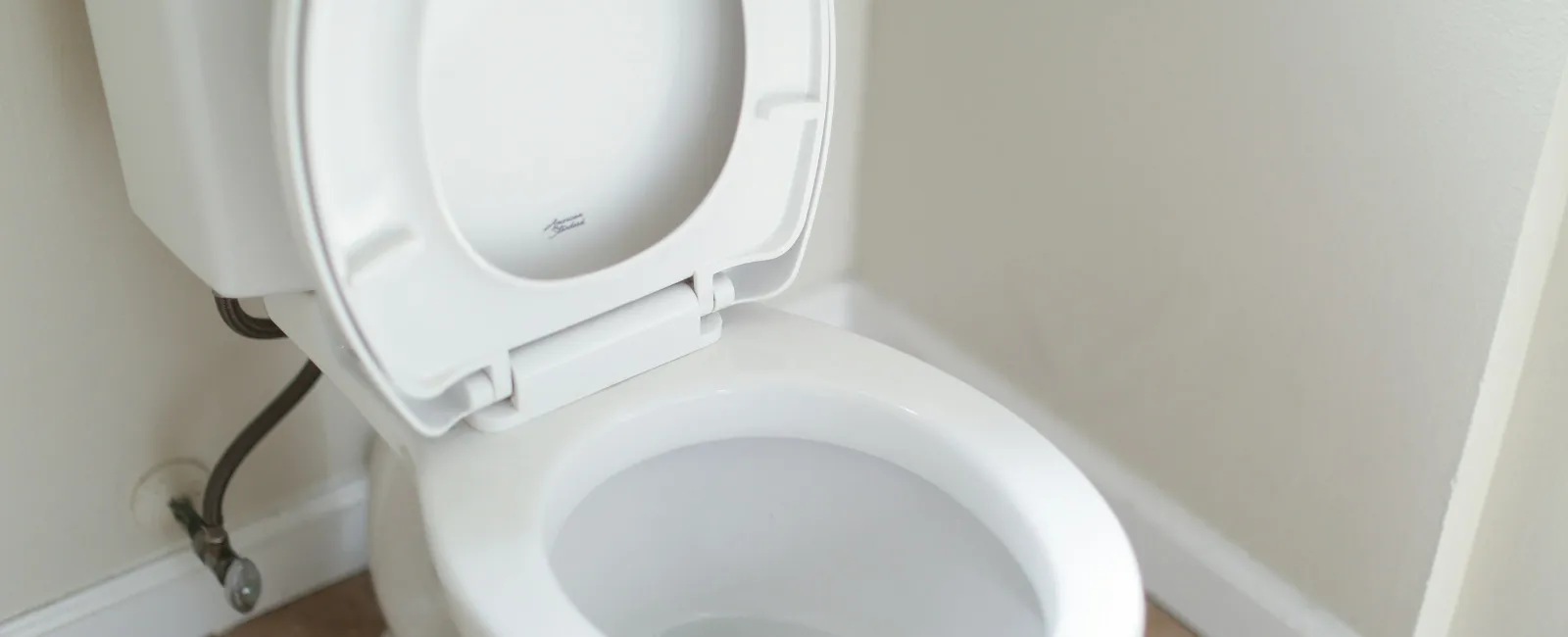
Gravity is on your side for the basics. Toilets connected to a standard gravity-fed tank will flush at least once after the power cuts out because the tank holds enough water for one complete flush. After that, you can manually refill the tank with a bucket of water and continue to flush as needed, assuming you have a backup water source.
Cold water from city supply lines will continue to flow in most cases. The water sitting in your pipes and the pressure coming from the municipal system don't care whether your home has electricity. Sinks, showers, and outdoor spigots will function normally until the supply itself is affected.
Natural gas water heaters may also continue producing hot water, though only for a limited time. A traditional tank-style gas heater uses a pilot light or standing-ignition system that doesn't require household electricity to keep the burner lit. Once the hot water in the tank is used up, though, the refill won't happen quickly without normal water pressure, and electronic ignition models won't fire at all.
What Stops Working Immediately
Well pumps are the first casualty. Without electricity, your well pump can't lift groundwater into your home, so there's no water for the entire house. A whole-house generator or a dedicated battery backup is the only way to keep a well running during a power outage.
Sump pumps fail at the worst possible moment. Storms that knock out power are often the same storms that dump heavy rain into your basement. A sump pump without electricity sits idle while water rises in the pit, and flooding can happen within hours. Battery-backup sump pumps, or water-powered backup pumps, are essential in any home that relies on one.
Tankless water heaters stop producing hot water almost instantly. Unlike older tank heaters, tankless units use electronic ignition and digital controls to heat water on demand. No power means no hot showers, even if your supply line is still pressurized.
Sewage ejector pumps and grinder pumps go offline, too. Homes with basement bathrooms, below-grade fixtures, or pumped septic systems rely on these units to move wastewater uphill to the main sewer line. When they stop, wastewater backs up in the system, and using those fixtures can lead to overflow inside the home.
The Hidden Risks of a Long Power Outage
Short outages are usually a minor inconvenience. Extended ones can cause real damage. Once electricity has been out for more than a few hours, several secondary problems can emerge.
Frozen pipes become a serious threat in cold weather. Without heat circulating through your home, indoor temperatures drop, and any pipe running along an exterior wall or through an unheated space is at risk of freezing. Frozen pipes can burst, and a single burst pipe can release gallons of water per minute once thawing begins.
Basement flooding becomes likely if rain continues and your sump pump remains off. Even a few inches of standing water can destroy flooring, drywall, and stored belongings. Homes built in low-lying areas or with high water tables face the greatest risk.
Water contamination is a concern during major regional outages. When city pumping stations lose power for extended periods, the pressure drop in supply lines can allow groundwater, soil, or bacteria to seep into the pipes. Boil-water advisories are common in these situations for good reason.
Septic systems may also back up. Aerobic septic systems use electric pumps and blowers, and gravity-fed systems can still fail if the drain field is saturated and no pumping is occurring.
How to Protect Your Plumbing Before the Power Goes Out
Preparation is the difference between a minor inconvenience and a disaster. A few planning steps will keep your home functional through most outages.
Keep drinking water on hand. Store at least one gallon per person per day for three days, and refill any empty containers before a forecasted storm. Filling your bathtub before the power cuts lets you flush toilets and wash by hand with the stored water.
Invest in a battery backup for your sump pump. These systems automatically activate when the primary pump loses power and can keep the pit clear for up to 24 hours, depending on the battery and pumping frequency. Water-powered backups are another option for homes on municipal water.
Consider a whole-house generator if outages are frequent in your area. A properly sized standby generator will keep your well pump, sump pump, heating system, and refrigerator running indefinitely. Portable generators can power essential loads when wired safely through a transfer switch.
Insulate pipes in unheated areas, such as basements, crawl spaces, attics, and exterior walls. Foam pipe sleeves are inexpensive and dramatically reduce the risk of freezing during winter outages.
Know where your main water shutoff valve is located. If a pipe bursts during an outage, shutting off the main supply immediately is the single best way to prevent catastrophic water damage.
What to Do the Moment the Power Cuts Off
Act quickly once the lights go out. Fill bathtubs, sinks, and large pots with cold water for drinking, flushing, and cleaning. If cold weather is in the forecast, open cabinet doors under sinks on exterior walls so heat from the rest of the home can reach the pipes, and let a thin stream of water drip from the farthest faucet to prevent freezing.
Check on your sump pump pit. If water is rising and you don't have a backup, a manual or battery-powered pump can buy time until power returns. For homes with septic ejector pumps, limit water use as much as possible to prevent backups.
Turn off the main water supply if you plan to leave the home during a freeze, and shut off the water heater's gas or power supply to prevent damage from running a dry tank.
When to Call a Professional After the Power Returns
Some problems don't show up until electricity is restored. Run each major fixture and listen for unusual noises. Check basements, crawl spaces, and under sinks for any signs of water damage. If your well or sump pump won't restart, the water pressure seems off, or you notice discoloration or odors in your tap water, those are signs that something needs attention.
Tom Falk Plumbing & Heating has been helping homeowners protect and restore their plumbing systems since 1961. Our team handles everything from emergency repairs after storm damage to installing backup sump pumps, whole-house water solutions, and generator-ready plumbing upgrades. If you're worried about your system's readiness for the next outage, or if something isn't working the way it should after one, we're ready to help.
Frequently Asked Questions
Can I flush my toilet when the power is out?
Yes, you can flush a standard gravity-fed toilet at least once after the power goes out because the tank holds enough water for a complete flush. To flush again, pour a bucket of water directly into the bowl or manually refill the tank. Learn more about how to flush a toilet manually.
Will my water heater still work during a power outage?
A traditional gas-fired tank water heater with a standing pilot will keep producing hot water until the tank runs out. Tankless water heaters and electric water heaters stop working immediately, and any gas heater with electronic ignition will also stop.
How long can city water last in a blackout?
City water usually lasts several hours to a full day during a short outage because municipal systems have pressurized storage. Extended regional outages can eventually lead to pressure drops or boil-water advisories when pumping stations run out of backup power.
Do I need a backup sump pump?
Yes, any home that relies on a sump pump should have a battery or water-powered backup. Power outages often occur during storms that cause basement flooding, and even a few hours without a functioning pump can lead to serious water damage.
Should I shut off my water if the power goes out for a long time?
Shutting off the main water supply is a smart precaution during extended outages, especially in freezing weather or if you're leaving the home. This prevents damage from burst pipes or unexpected leaks when no one is there to notice.
Need help preparing your plumbing for the next outage or recovering from one? Call Tom Falk Plumbing & Heating at 717-872-2850 or book service online. We'll make sure your home is ready for whatever the grid throws at it.


