
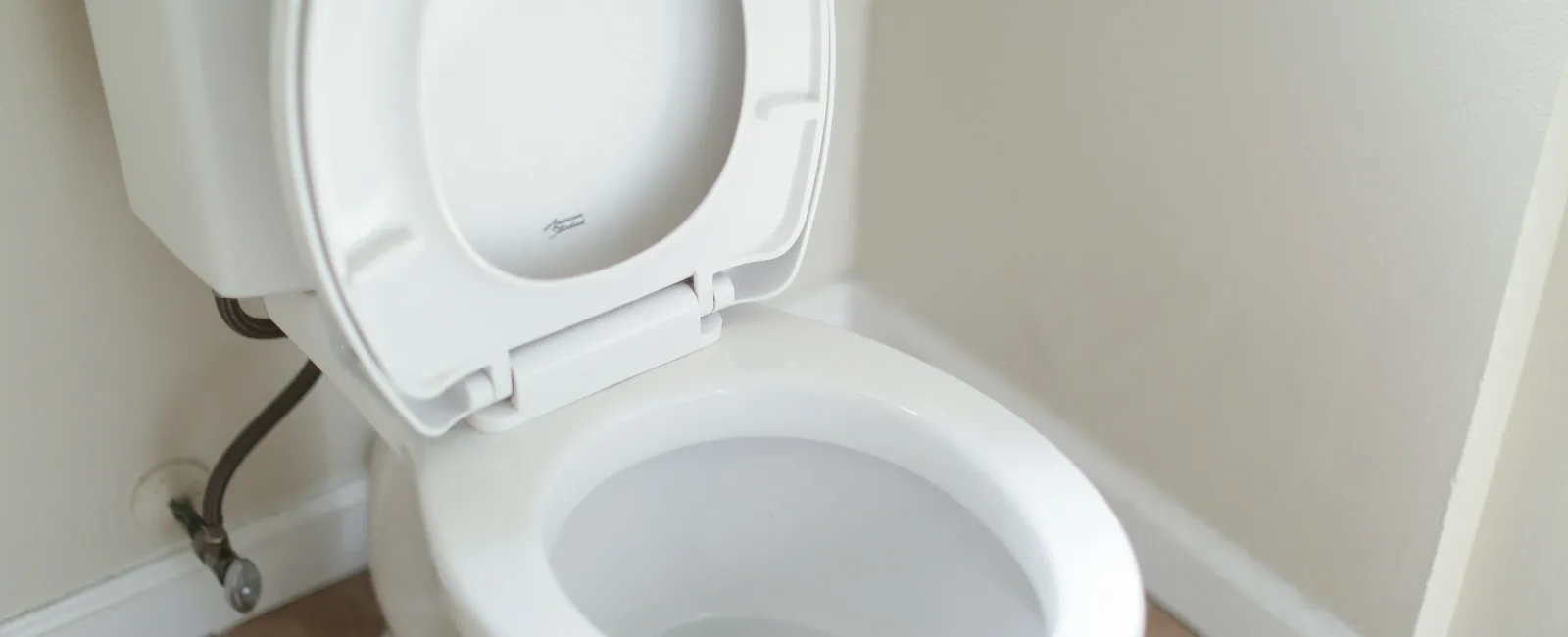
Manually flushing a toilet means triggering the flush cycle without using the standard handle mechanism, either by adding water directly to the bowl or tank, or by operating the internal flapper by hand. This technique is useful when your water supply is temporarily shut off, when the tank is not refilling properly, or when a component inside the toilet has failed. In most cases, you can get through the situation without a plumber by using one of three reliable methods. However, persistent flushing problems are usually a sign that a repair is overdue.
Why Your Toilet May Not Flush Normally
Before reaching for a bucket, it helps to understand what is likely going wrong. A standard toilet flush depends on a chain of events: you press the handle, the lift chain raises the rubber flapper at the bottom of the tank, water rushes from the tank into the bowl, and the sudden surge of water pushes waste through the drain. When any part of that chain fails, the toilet stops flushing properly.
The most common culprits are a disconnected or broken lift chain, a warped or deteriorated rubber flapper that no longer seals properly, a float set too low so the tank never fills to an adequate level, or a disruption to the water supply itself. A clog in the drain is a separate issue that manual flushing will not solve, but the methods below will work well for any situation where the problem is water volume or a failed internal component.
Method 1: Pour Water Directly into the Bowl
This is the fastest and most intuitive approach, and it works regardless of what is happening inside the tank. Your toilet bowl is designed to flush when a sufficient volume of water enters it quickly. You are essentially mimicking what the tank does automatically.
Fill a bucket with one to two gallons of water. Stand over the bowl and pour the water in slowly at first, then increase the speed as you go, finishing with a firm, rapid pour. The momentum of the water entering the bowl creates the same hydraulic pressure as a normal flush, and the waste will move through the trap and into the drain. Older, larger toilets may require 3 to 5 gallons to complete the cycle. If the flush is only partial, repeat the process.
This method works even when your water supply is completely off, as long as you have access to water from another source, such as a stored jug, a water heater drain, or an outdoor spigot on a separate line.
Method 2: Fill the Tank Manually and Use the Handle
If you prefer to flush the toilet the conventional way using the handle, you can do that too, as long as the tank itself is the problem rather than a broken flapper or handle mechanism. This method works well when the water supply is temporarily interrupted, and the tank has not refilled.
Remove the tank lid and set it somewhere safe. Fill a bucket with water and pour it into the tank until the water level reaches approximately one inch below the top edge of the overflow tube, which is the tall tube standing upright in the center of the tank. A mark or a float adjustment typically indicates that fill line. Once the tank is full, replace the lid and press the flush handle as you normally would. The toilet should flush completely.
This is a good approach if you want to avoid getting close to the bowl or if you are dealing with a situation where the water supply will be restored shortly, and you need one or two manual flushes in the meantime.
Method 3: Lift the Flapper Manually Inside the Tank
When the handle feels loose, limp, or unresponsive, the problem is often a disconnected or broken lift chain. The chain connects the handle arm to the rubber flapper at the bottom of the tank, and if it slips off, breaks, or gets tangled, pressing the handle does nothing. You can bypass the chain entirely by lifting the flapper by hand.
Remove the tank lid and locate the rubber flapper at the very bottom of the tank, over a circular opening called the flush valve seat. Reach in and lift the flapper upward. This releases the water from the tank into the bowl and initiates the flush cycle. Hold it open for a second or two, then allow it to drop back into place. The tank will refill on its own if the water supply is active.
While the tank is open, take a moment to check the chain. If it has simply slipped off the hook at the end of the handle arm, you can reconnect it in a matter of seconds. Choose a link that leaves about half an inch of slack, so the flapper can seal fully when the handle is not being pressed. If the chain is broken or the flapper itself is cracked or warped, both are inexpensive parts that a licensed plumber can replace quickly.
When Manual Flushing Is Not Enough
Manual flushing is a practical short-term fix, but it is not a substitute for addressing the underlying problem. If you find yourself manually flushing repeatedly because the tank is not refilling, the handle is consistently unresponsive, or the flapper refuses to seal properly, those are signs that your toilet needs professional attention.
A toilet that runs constantly, a fill valve that cycles on and off, or a handle that feels loose every few days are all symptoms of worn internal components. These parts are not expensive to replace, but if left unaddressed, they can waste significant amounts of water and put unnecessary strain on your plumbing. A licensed plumber can diagnose the issue in a single visit and have the toilet working correctly the same day.
Frequently Asked Questions About Manually Flushing a Toilet
How much water does it take to flush a toilet manually?
Most modern low-flow toilets require about 1.5 gallons of water per flush. Older toilets may use 3 to 5 gallons per flush. When pouring water into the bowl, the speed and momentum of the pour matter as much as the volume, so start slow and accelerate through the pour for the best result.
Can I manually flush a toilet if the water is turned off to the whole house?
Yes. As long as you have water from another source, such as a stored bucket, bottled water, or a neighbor's hose, you can flush the toilet using the bowl-pour method. The toilet's flushing mechanism does not require pressurized water from your supply line once you have water in hand.
Why does my toilet handle feel loose or not do anything?
A loose or non-responsive handle almost always means the lift chain has disconnected from the handle arm or has broken. Open the tank lid and check the chain. If it has simply come off the hook, reattach it. If it is broken, the chain itself costs only a few dollars and can be replaced in minutes.
Is it safe to keep using a toilet that won't flush on its own?
It is fine to manually flush a toilet for a day or two while you wait for a repair appointment, but you should not treat it as a permanent solution. Persistent flushing problems suggest a worn flapper, a faulty fill valve, or a handle assembly that needs to be replaced. Ignoring these issues typically leads to water waste, higher utility bills, or a more significant repair down the road.
Having Toilet Trouble? Tom Falk Can Help.
Our licensed plumbers have been solving toilet problems for homeowners since 1961. Whether it is a simple flapper replacement, a fill valve swap, or something more involved, we will accurately diagnose it, explain your options clearly, and get your toilet working right the first time. Call us at 717-872-2850 or book online to schedule service today.


