
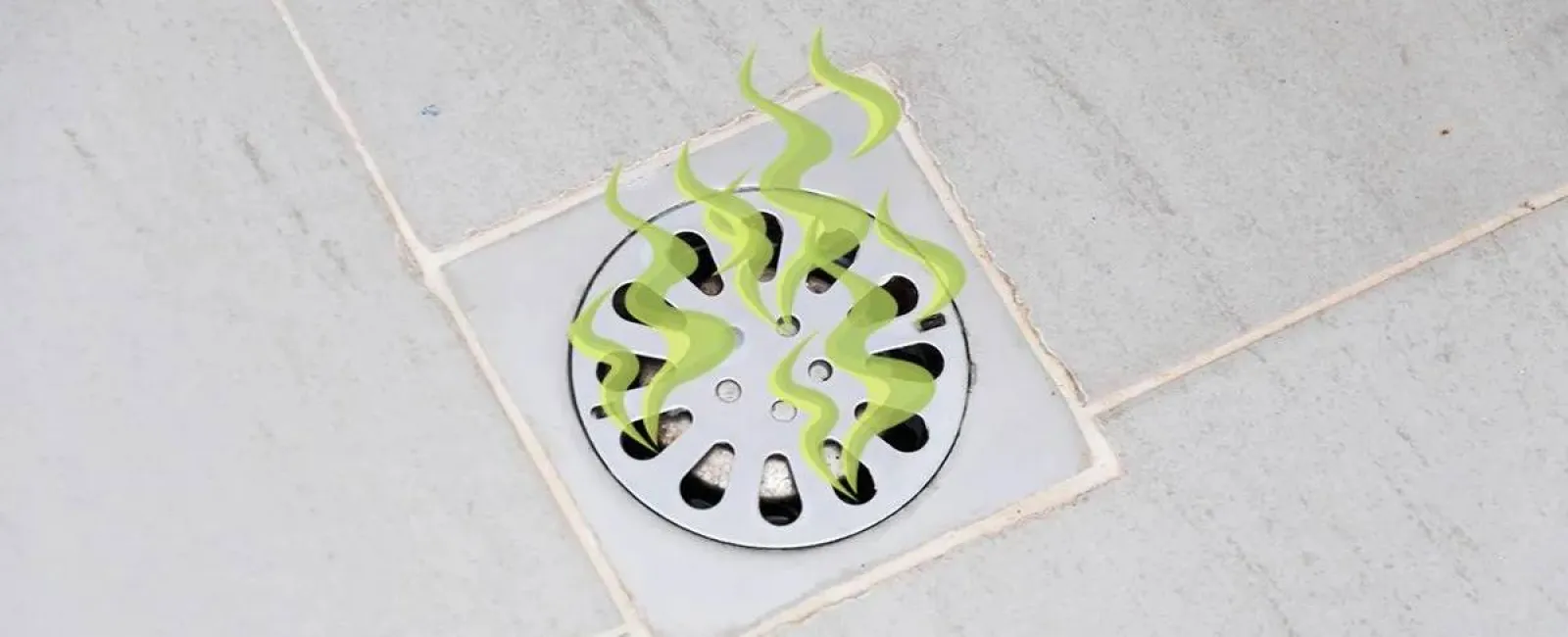
A sewage smell in your house is caused by sewer gas escaping through gaps, dried traps, or damaged components somewhere in your home's drain and vent system. The odor is primarily hydrogen sulfide, the same compound responsible for the rotten egg smell associated with natural gas. Beyond being unpleasant, sewer gas can contain methane, which becomes a health and safety concern when it accumulates in an enclosed space. Identifying the source quickly is the most important step toward eliminating the problem.
What Sewer Gas Actually Is
Sewer gas is a byproduct of the decomposition of organic waste in the sewer system. It is a mixture of gases, most notably hydrogen sulfide, ammonia, methane, and carbon dioxide. At low concentrations, the primary effect is the unmistakable rotten-egg odor. In higher concentrations or with prolonged exposure, sewer gas can cause headaches, nausea, and dizziness. If you notice the smell suddenly getting much stronger, or if it is accompanied by a gurgling sound from multiple drains at once, treat it as an urgent situation and call a licensed plumber.
Your home's plumbing is designed to prevent sewer gas from entering living spaces through a combination of P-traps, vent pipes, and drain seals. When any one of those components fails, dries out, or is improperly installed, the odor finds its way inside.
Sewage Smells Coming From Your Shower or Bathtub
The shower drain is one of the most common culprits when a bathroom smells like sewage, and it is one of the most frequently overlooked because homeowners tend to assume the toilet is to blame first.
Biofilm Buildup
Every time you shower, a mixture of soap, body oils, shampoo, conditioner, and dead skin cells washes down the drain. Over time, that combination creates a sticky biofilm along the inside of your pipes. Bacteria colonize this residue and begin to break it down, releasing a foul sewage-like odor in the process. The smell can spread throughout the entire bathroom even when the drain looks clean on the surface. Pouring boiling water down the drain, followed by a baking soda and white vinegar solution, can help break up biofilm. However, a persistent smell after cleaning typically warrants a professional drain cleaning.
Dry or Leaking P-Trap
The P-trap is the U-shaped section of pipe beneath your drain. It holds a small amount of water at all times, which acts as a barrier between your home and the sewer gases below. If a shower or tub goes unused for a few weeks, the water in the P-trap can evaporate, letting those gases rise freely into the room. Running the shower for a minute or two usually solves the problem. If the smell returns quickly, or if the shower is used regularly but the odor persists, the P-trap may be leaking and needs to be inspected and replaced by a licensed plumber.
Sewage Smells Coming From Your Toilet
A sewer smell originating near the toilet typically points to one of three issues: a problem with the wax ring, a failing vent pipe, or a septic blockage.
Damaged Wax Ring or Loose Toilet
The wax ring seals the toilet base to the floor flange. If the toilet rocks even slightly, it can break that seal over time. Once the seal is compromised, sewer gas escapes from around the base of the toilet rather than flowing properly through the vent system. A rocking toilet, water staining around the base, or a lingering sewage odor that persists despite how well you clean the bathroom are all signs that the wax ring needs to be replaced.
Vent Pipe Problems
Every toilet has a vent pipe running through your roof that balances air pressure in the drain system and directs sewer gases outside. When that pipe is blocked by debris, a bird nest, or ice buildup, the gas has nowhere to go and begins backing up into the bathroom. A cracked or improperly installed vent pipe can cause the same problem. Diagnosing a vent pipe issue typically requires professional equipment, and repairs should not be attempted as a DIY project.
Sewage Smells Coming From Your Sink
Both kitchen and bathroom sinks can harbor sewer odors, and the cause is not always the drain itself.
Overflow Buildup
Many sinks include a small overflow hole near the rim, designed to prevent the basin from spilling over. That little channel rarely gets cleaned, and it accumulates mildew, bacteria, and grime over time. If your sink smells like sewage even after cleaning the drain, check the overflow. A small bottle brush and a diluted bleach solution can quickly clear out the buildup.
Dry P-Trap in Rarely Used Sinks
Just like shower drains, seldom-used sinks can develop the same dry P-trap issue. A guest bathroom sink that sits untouched for weeks is a classic example. Running the water for a minute will refill the trap and seal off the sewer connection below.
Sewage Smells Coming From Your Washing Machine
If the smell is strongest in your laundry room, the washing machine is likely the source. Two common plumbing issues cause this: an improperly positioned drain hose or a clogged drain line.
Modern washing machines use a flexible drain hose that empties into a standpipe, which connects to a P-trap below. If the hose is inserted too deeply into the standpipe, it bypasses the P-trap entirely, allowing sewer gases to flow directly into the room. The fix is straightforward: the hose should only extend about six to eight inches into the standpipe. If pulling the hose out to the correct depth does not eliminate the odor, the drain line itself may be partially clogged with soap scum and lint. A drain snake can clear minor clogs, but a plumber should evaluate anything that does not clear easily.
Sewage Smells From Water Coming Out of the Tap
If the rotten egg odor is most noticeable when you run your hot water, the source is often your water heater rather than the drain system. Certain bacteria can establish themselves inside a water heater when the tank temperature is set too low or when the unit sits idle for an extended period. Flushing the tank and temporarily raising the temperature to around 140 degrees Fahrenheit can eliminate the bacteria, but proceed carefully to avoid scalding risk. If the smell is present in both hot and cold water, you may have elevated hydrogen sulfide levels in your water supply, which a water quality test can confirm.
When to Call a Licensed Plumber
Many sewer smell situations, like refilling a dry P-trap or cleaning a shower drain, are well within the reach of an attentive homeowner. But there are clear signs that a professional needs to be involved. Gurgling sounds coming from multiple drains simultaneously, sewage backing up into the tub or shower, an odor that gets stronger over time despite cleaning, or water pooling around the base of a toilet all indicate a problem that goes beyond basic maintenance. These symptoms often point to a sewer line blockage, a collapsed pipe, or a compromised vent system, any of which requires diagnosis and repair by a licensed plumber.
A licensed plumber has the tools to perform a camera inspection of your drain lines, identify exactly where the breakdown is occurring, and fix it correctly the first time. Attempting to address a sewer line or vent pipe issue without professional training can make the problem significantly worse and more expensive to repair.
Frequently Asked Questions
Why does my house suddenly smell like sewage? A sudden sewage smell usually means a dry P-trap, a failed wax ring, or a vent pipe that has become blocked. Each of these issues removes one barrier between your living space and the sewer gases below. If you cannot identify a simple cause, such as an unused drain, contact a plumber to inspect your system.
Is a sewer smell in my house dangerous? Sewer gas contains hydrogen sulfide and methane, both of which can be hazardous at sufficiently high concentrations. At low levels, the primary concern is odor and irritation. At higher levels, symptoms can include headaches, nausea, and dizziness. Methane is flammable. Any strong or rapidly worsening sewer smell should be addressed immediately.
Can I fix a sewage smell myself? Some causes, like a dry P-trap or drain biofilm, are easy to fix without professional help. Running water down unused drains and cleaning shower and sink drains regularly goes a long way. But if the odor persists after basic troubleshooting or is accompanied by slow drains or gurgling sounds, a licensed plumber should evaluate the system.
How do I know if the smell is coming from my sewer line? If the odor is present in multiple rooms or fixtures at the same time, or if you notice slow drains throughout the house rather than just in one area, the problem is likely in your main sewer line rather than a single fixture. A sewer camera inspection is the most reliable way to confirm this.
How often should drain lines be professionally cleaned? For most homes, having drain lines professionally cleaned every 1 to 2 years helps prevent the buildup that leads to odors, clogs, and pipe damage. Older homes or homes with a history of drain issues may benefit from more frequent service.
A persistent sewage smell is not something to wait out or mask with an air freshener. The licensed plumbers at Tom Falk Plumbing and Heating have been diagnosing and solving exactly these kinds of problems for homeowners since 1961. If you have gone through the basics and the smell persists, give us a call. We will track down the source and fix it right.


