
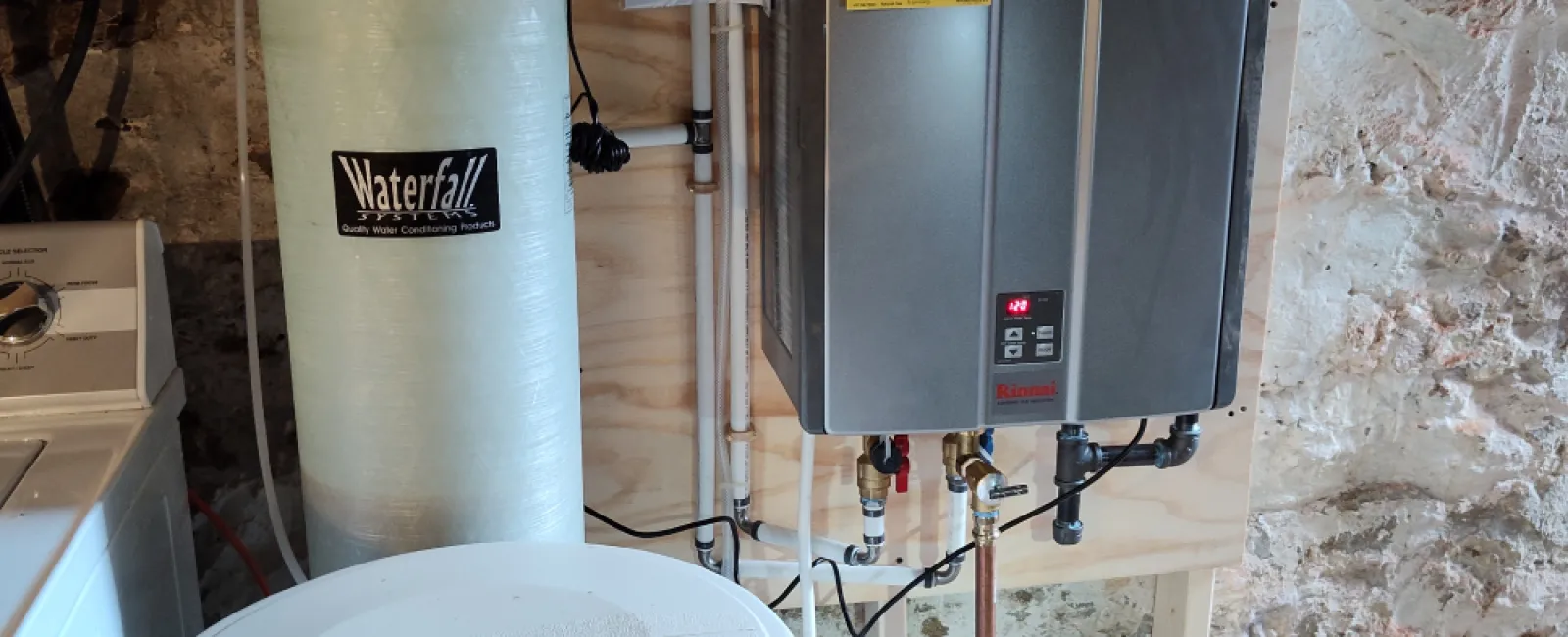
A water heater leaking is almost always traced back to one of four things: a failing temperature and pressure relief (T&P) valve, a worn drain valve, corroded inlet or outlet connections, or a tank that has rusted through from the inside. The location of the water tells you most of what you need to know. If it is dripping from a valve or fitting, a repair is likely on the table. If the tank itself is leaking, you are looking at a replacement. Either way, the sooner you act, the less damage you will deal.
Is a Leaking Water Heater Dangerous?
Yes — and how dangerous it is depends on where the leak is and how fast it is growing.
A slow drip from the drain valve is a nuisance. A steady leak from the T&P valve means internal pressure or temperature is running too high, which is a same-day safety issue. On a gas water heater, leaking water at the base of the tank can reach the gas control valve and burner assembly, which warrants shutting off the gas immediately and calling a plumber before doing anything else.
Beyond the unit itself, standing water against flooring, drywall, and subfloor causes structural rot and mold growth within 24 to 48 hours. Do not wait to see if it resolves on its own. It will not.
Why Is My Water Heater Leaking?
The location of the water is your first diagnostic clue.
Water Heater Leaking from the Bottom
This is the most common scenario, and it has two likely causes. Start with the drain valve — the brass or plastic spigot near the base of the tank. If it is dripping, try tightening it a quarter turn clockwise. If it continues to drip or leaks from the threads, the valve has failed and needs to be replaced. That is an inexpensive fix.
If the drain valve is dry but water is still pooling under the tank, the leak is coming from inside. Internal corrosion eats through the tank lining and creates pinhole leaks at the base. Once that happens, there is no repair — only replacement.
Hot Water Heater Leaking from the Top
A leak at the top of the tank usually indicates the cold-water inlet pipe, the hot-water outlet pipe, or their fittings. Feel around each connection. Even slight moisture on the threads means the fitting needs to be tightened or replaced — a manageable repair that does not necessarily mean the tank is done.
The other possibility is the anode rod port. If the anode rod has never been replaced, the port can develop a slow seep over time. Swapping it out every three to five years prevents that.
Water Heater Pressure Relief Valve Leaking
The T&P valve sits on the side of the tank with a discharge pipe running toward the floor. If it is dripping or running continuously, do not plug the pipe. A T&P valve that weeps occasionally may just be worn out and due for replacement. But if it is releasing a steady stream of hot water, the tank pressure or thermostat is out of spec. Have a plumber inspect both before swapping the valve — otherwise, the same problem comes back.
Water Heater Leaking from the Drain Valve
The drain valve gets opened and closed infrequently, and that stop-start cycling eventually loosens the seat or corrodes the internal washer. A dripping drain valve does not mean the tank is failing — it means the valve is worn. You can temporarily cap the outlet with a garden hose end cap while you arrange a repair, but do not leave it unattended.
What To Do Right Now
Work through these steps in order before calling anyone for parts.
Step 1 — Shut off the energy source. For an electric unit, flip the breaker at your panel. For gas, rotate the shut-off valve behind the unit to the off position. If you smell gas, leave the house immediately, turn off all switches, and call your gas company from outside.
Step 2 — Turn off the cold water supply. The shut-off valve is on the inlet line feeding the top of the tank. Turn it clockwise until it stops.
Step 3 — Find the source. Dry the area around the tank with towels, then watch for a few minutes. Is water dripping from a valve, seeping from a pipe connection, or appearing under the tank with no obvious source? That answer drives everything that comes next.
Step 4 — Drain the tank if the leak is significant. Run a garden hose from the drain valve to a floor drain or outside. A 50-gallon tank takes about 20 to 30 minutes to empty. The water will be very hot — handle carefully.
Step 5 — Call a licensed plumber. Get a professional on-site to confirm the source and give you repair vs. replacement options. Do not restore power or gas until the leak is fully resolved.
Repair or Replace?
The right answer comes down to where the leak is and how old the unit is.
Repair makes sense when the problem is a valve, fitting, or pipe connection. Drain valves, T&P valves, anode rod ports, and inlet and outlet fittings are all serviceable. If the tank is under ten years old and structurally sound, fixing the faulty component is the right move.
Replacement is the better call when the tank is leaking from the inside, the unit is more than ten to twelve years old, or corrosion is visible on the shell. Patching around a failing tank just delays the inevitable. A new unit—standard or tankless—comes with a new warranty and lower operating costs.
If your water heater is in the eight-to-ten-year range and showing a repairable leak, ask your plumber for an honest read on the rest of the system. Sometimes repair and replacement costs are close enough that the new unit wins on a five-year horizon.
How to Prevent Water Heater Leaks
Most leaks are the result of skipped maintenance. These four habits keep the system healthy.
Flush the tank once a year. Sediment builds up at the bottom and accelerates corrosion, reduces efficiency, and stresses the lower heating element. A 20-minute flush every 12 months keeps it clear.
Replace the anode rod every three to five years. This sacrificial rod corrodes, so the tank does not. Once it is depleted, internal rust starts. Check it during your annual flush.
Test the T&P valve annually. Lift the lever briefly and release. You should see a short burst of discharge, then it reseats cleanly. No discharge or a valve that keeps dripping after the test means it needs to be replaced.
Monitor your water pressure. Systems should run between 40 and 80 PSI. Sustained pressure above 80 PSI wears out every component faster — including the tank. A pressure-reducing valve at the main line is straightforward insurance if your readings run high.
When to Call a Plumber
You can handle the shutoff steps yourself. Everything after that is worth having a licensed plumber assess. Pick up the phone when:
- The T&P valve is releasing water continuously
- You smell gas near the unit
- The leak is coming from inside the tank
- Water has reached the flooring, drywall, or subfloor
- The unit is more than ten years old and actively leaking
- You cannot identify where the water is coming from
Frequently Asked Questions
What should I do if my water heater is leaking from the bottom? Check the drain valve first. If tightening it does not stop the drip, the valve needs to be replaced. If the drain valve is dry but water is still appearing under the tank, the leak is internal, and the unit needs to be replaced. Shut off the cold water supply and the energy source while you arrange a service call.
Can a leaking water heater fix itself? No. Loose fittings and worn valves only get worse under pressure. A tank leaking from internal corrosion will continue to deteriorate. The longer it runs unaddressed, the greater the risk of water damage, mold, and — on gas units — safety hazards.
Is a water heater leaking from the overflow pipe an emergency? Treat it as urgent. That discharge pipe only opens when the internal temperature or pressure is too high. Brief discharges can happen during normal thermal expansion, but any continuous dripping or steady flow means something is out of spec. Shut off the unit and call a plumber the same day.
How much does it cost to fix a leaking water heater? Minor repairs — a drain valve, T&P valve, or inlet fitting — typically run $150 to $350 in parts and labor. Full replacement ranges from $900 to $1,800 or more, depending on the unit type and installation. A plumber can give you an accurate quote once the source of the leak is confirmed.
Tom Falk Plumbing & Heating serves Lancaster County and surrounding communities in Pennsylvania. If your water heater is leaking and you need a same-day assessment, call us at 717-872-2850 or schedule service online.


