
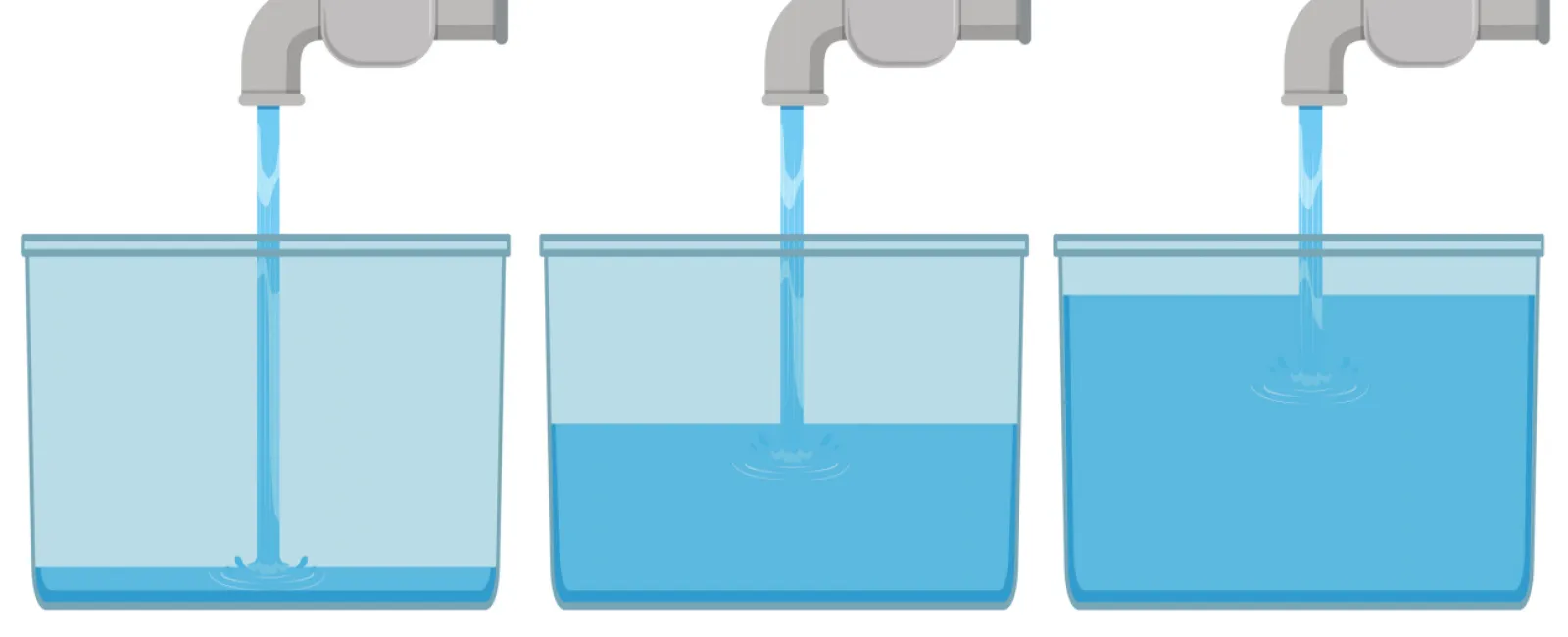
Measuring your home's gallons per minute (GPM) involves timing how long it takes to fill a container of known volume with water from a specific fixture. To calculate GPM, divide the number of gallons collected by the time in minutes, which reveals your fixture's flow rate and helps identify plumbing issues, optimize water usage, and ensure adequate supply for household needs. Testing GPM regularly allows homeowners to detect pressure problems, aging fixtures, and system inefficiencies before they become costly repairs.
Understanding your home's water flow rate is one of the most practical ways to maintain a healthy plumbing system. Whether you're experiencing low shower pressure, considering a water heater upgrade, or want to reduce monthly utility costs, knowing how to accurately measure and interpret GPM readings gives you control over your home's water efficiency. Many homeowners discover that simple measurements reveal underlying issues with their plumbing infrastructure, from partially closed shutoff valves to sediment buildup in pipes that gradually restricts flow.
Understanding Gallons Per Minute in Your Plumbing System
Gallons per minute measure the volume of water flowing through your plumbing fixtures and represent a critical benchmark for system performance. Most standard residential faucets deliver between 1.5 and 2.2 GPM, while showerheads typically flow at 2.0 to 2.5 GPM under normal pressure conditions. These numbers directly impact everything from how quickly your bathtub fills to whether your dishwasher receives an adequate supply during operation. When multiple fixtures run simultaneously, your home's total GPM demand can exceed the capacity of your water supply line, which typically ranges from 6 to 12 GPM for most residential properties, depending on pipe diameter and pressure.
The relationship between water pressure and flow rate often confuses homeowners. Water pressure, measured in pounds per square inch (PSI), represents the force pushing water through pipes, while GPM measures the actual volume delivered. You can have excellent pressure but poor flow if there are restrictions in your pipes, or, conversely, you might have high flow with insufficient pressure to reach upper floors. Understanding this distinction helps you diagnose problems accurately and communicate effectively with plumbing professionals about what your system truly needs.
Essential Tools and Preparation for Accurate GPM Testing
Accurate GPM measurement requires minimal equipment but careful attention to methodology. You'll need a five-gallon bucket or container with clear volume markings, a stopwatch or smartphone timer, and a calculator for conversions if your container measures in liters or quarts. Choose a bucket large enough to capture water for at least 30 seconds of flow, which provides more accurate results than quick measurements. Mark your bucket clearly at the one-gallon and five-gallon levels using a permanent marker, or if using a smaller container, note exactly how many ounces or quarts it holds for later conversion.
Before testing, ensure your water system operates under normal conditions. Verify that no other fixtures are running, including washing machines, dishwashers, or outdoor irrigation systems, as these dramatically affect readings. If you have a well system with a pressure tank, let the system cycle normally to achieve steady-state pressure before measuring. Check that fixture aerators and flow restrictors are in place, as removing these components gives artificially high readings that don't reflect actual household use.
Step-by-Step Process for Measuring Fixture Flow Rates
Start your measurement at a bathroom sink faucet, as these typically have the most accessible configuration and represent baseline flow in your home. Turn the faucet to its fully open position, not just partially on, since partial opening artificially restricts flow and doesn't represent the fixture's true capacity. Position your bucket to catch all water without splashing, starting your timer the moment water begins flowing into the container. Let the water run for exactly 60 seconds when measuring a slow-flow fixture, or 30 seconds for higher-flow applications such as utility sinks or outdoor spigots.
After the timed interval, immediately shut off the faucet and measure the volume of water collected. If you gathered water for 30 seconds, multiply the gallons by two to determine your per-minute flow rate. For example, collecting 1.5 gallons in 30 seconds equals 3.0 GPM. Record this number along with the fixture location and current date, as tracking changes over time reveals developing problems. Repeat this process for each fixture type in your home, including kitchen sinks, bathroom faucets, showers, bathtub spouts, and outdoor hose bibs, to create a complete flow profile for your entire plumbing system.
Interpreting Your Results and Identifying Problems
Normal fixture flow rates vary by design and regulatory standards. Modern low-flow faucets typically deliver 1.5 to 2.2 GPM, meeting federal WaterSense efficiency criteria. Showerheads should produce 2.0 to 2.5 GPM for comfortable showering, while anything below 1.8 GPM often feels unsatisfactory even if it meets efficiency standards. Bathtub spouts can deliver 4.0 to 7.0 GP, filling large volumes quickly, while outdoor hose bibs usually provide 3.0 to 5.0 GPM for gardening and washing tasks.
Unusually low readings signal specific problems requiring investigation. If a bathroom faucet delivers only 0.8 GPM instead of the expected 2.0 GPM, check first for a clogged aerator screen, which accumulates sediment and mineral deposits over time. Unscrew the aerator, rinse thoroughly, and retest before assuming more serious issues. If the flow remains low after aerator cleaning, investigate the fixture's shutoff valve beneath the sink, as these valves sometimes remain partially closed after plumbing work or gradually close due to corrosion. A house-wide reduction in GPM across all fixtures suggests problems with your main shutoff valve, pressure regulator, or supply line requiring professional leak detection and repair services.
Troubleshooting Common Low-Flow Issues
Pressure regulators installed on your main water line protect your plumbing from excessive municipal pressure, but they can malfunction and inappropriately restrict flow. Most homes maintain pressure between 40 and 60 PSI, with regulators adjustable within this range. If you've confirmed low GPM throughout your house, locate your pressure regulator near where the main water line enters your home. Some regulators feature adjustment screws that allow you to increase pressure slightly, though dramatic adjustments risk damaging fixtures and appliances. Testing pressure with a gauge threaded onto an outdoor hose bib provides definitive readings that inform whether regulator adjustment or replacement is necessary.
Galvanized steel pipes in older homes gradually accumulate internal rust and mineral scale, reducing their effective diameter over decades. A home built in the 1950s with original galvanized piping might show only half its original flow capacity due to this gradual restriction. Copper and PEX piping resist this problem, but can still experience flow reduction due to mineral buildup in hard-water areas. If your home shows consistently low GPM despite good pressure, selective or whole-house repiping may be your only long-term solution. Professional plumbers can assess the interiors of pipes and recommend targeted upgrades to restore proper flow without unnecessary expense.
Testing Multiple Fixtures and Household Demand
Real-world water use involves multiple fixtures operating simultaneously, which reveals whether your supply line provides adequate volume for household needs. Test your system's capacity by measuring flow at one fixture, then turning on additional fixtures and retesting the original location. For example, measure your kitchen faucet flow, then turn on an upstairs bathroom faucet and remeasure the kitchen faucet flow. Significant drops indicate your supply line struggles to meet combined demand, particularly important information when considering tankless water heater installations that require substantial GPM to activate properly.
Most tankless water heaters require a minimum flow rate of 0.4 to 0.6 GPM to operate, but they need much higher rates to deliver comfortable hot water temperatures. A typical tankless unit rated for whole-house installation requires 5.0 to 10.0 GPM at the heater inlet to effectively serve multiple fixtures. If your measured household capacity is only 6 GPM total, running both the shower and the kitchen sink simultaneously might overwhelm the heater, resulting in temperature fluctuations and user dissatisfaction. Understanding these limitations before upgrading equipment prevents expensive installations that fail to meet expectations.
Fixture-Specific Considerations and Optimization
Showerheads deserve particular attention since they directly impact daily comfort and account for significant water use in most households. Testing shower flow reveals whether low-flow models provide sufficient volume for satisfying showers or if older high-flow heads waste water unnecessarily. Many modern showerheads incorporate air induction technology that maintains perceived pressure while reducing actual GPM, creating satisfying spray patterns at 1.8 GPM or less. If your current showerhead tests at 3.5 GPM or higher, replacing it with an efficient 2.0 GPM model could save thousands of gallons annually without compromising shower quality.
Kitchen faucets present unique challenges since they serve multiple purposes, from rinsing dishes to filling pots. A kitchen faucet delivering less than 1.5 GPM feels frustratingly slow for cooking tasks, while excessive flow above 2.5 GPM wastes water during casual hand-washing. Many quality kitchen faucets now feature dual-function spray heads that toggle between aerated flow for filling and concentrated spray for scrubbing, optimizing water use for different tasks. Testing both modes separately reveals whether each function delivers appropriate volume for its intended purpose.
Seasonal and Environmental Factors Affecting Flow Rate
Municipal water systems often experience pressure and flow variations throughout the year as demand fluctuates with seasons. During the summer months, when landscape irrigation peaks, available pressure can be reduced in some neighborhoods, particularly at the ends of long distribution lines. Testing GPM in both high- and low-demand periods reveals whether your system maintains consistent performance or struggles during peak usage. Homes at higher elevations relative to water towers may experience more pronounced seasonal variations, as gravity-fed pressure naturally fluctuates with tower levels and pumping schedules.
Well water systems behave differently from municipal supplies, with flow rates determined by pump capacity, pressure tank settings, and well recovery rates rather than municipal infrastructure. Testing GPM at various intervals after pump cycling reveals whether your well recovers quickly enough to support household demand. A well that produces 5 GPM might seem adequate. Still, if your pressure tank has only 20 gallons of usable capacity, simultaneous use of multiple fixtures could rapidly deplete the available water and trigger frequent pump cycling. Professional well pump service can optimize system performance through pressure tank upgrades, pump replacement, or pressure switch adjustments that better match your household's actual demand patterns.
When Professional Assessment Becomes Necessary
Certain situations require professional plumbing expertise beyond DIY testing. Persistent low flow across all fixtures, despite cleaning aerators and checking valves, indicates deeper system issues that require diagnostic equipment and expertise to resolve properly. Hidden leaks between your water meter and your house can dramatically reduce available GPM and increase water bills, making professional leak detection services essential for identifying problems you cannot see. Modern leak detection technology uses acoustic sensors and thermal imaging to locate issues without destructive testing, preserving your property while efficiently resolving flow problems.
Water quality issues also affect GPM measurements and fixture performance. Homes with hard water experience faster mineral accumulation in pipes and fixtures, gradually reducing flow over the years. If testing reveals declining GPM trends across multiple years, installing a whole-house water treatment system addresses the root cause rather than repeatedly replacing affected components. Water softeners and filtration systems prevent mineral buildup, protect appliances, and maintain consistent flow rates throughout your plumbing system's lifespan.
Understanding your home's gallons per minute empowers you to maintain your plumbing system proactively rather than reactively addressing problems after they escalate. Regular testing creates baseline data that reveals changes before they become emergencies, while proper interpretation helps you distinguish between simple fixes and situations requiring professional intervention. Whether you're optimizing water efficiency, planning equipment upgrades, or troubleshooting performance issues, GPM measurement provides the objective data needed for informed decisions about your home's plumbing infrastructure.


